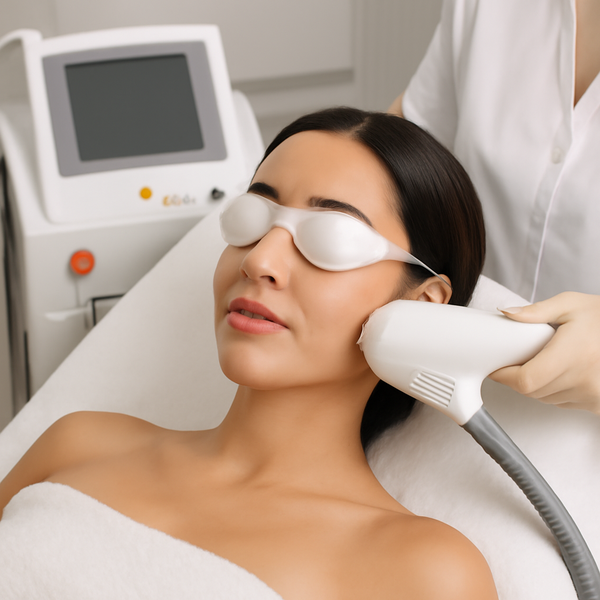
Laser treatment for pigmentation has emerged as a highly effective and popular method for addressing various skin discoloration concerns. From sunspots and age spots to melasma and post-inflammatory hyperpigmentation, lasers offer a targeted approach to breaking down excess pigment without damaging the surrounding skin. This advanced technology works by emitting specific wavelengths of light that are absorbed by melanin, the pigment responsible for skin color. The absorbed light energy converts into heat, which then selectively destroys the pigmented cells, allowing the body to naturally clear them away over time. The result is a more even skin tone and a reduction in the appearance of unwanted dark spots, restoring a more youthful and radiant complexion. It's a sophisticated solution for achieving clearer, smoother-looking skin.
Understanding Different Types of Pigmentation
Skin pigmentation irregularities can manifest in various forms, and understanding their origins is crucial for effective treatment. Sunspots, also known as solar lentigines, are flat, brown spots that appear on skin exposed to the sun, particularly on the face, hands, and shoulders. Age spots are similar and often develop with age, though sun exposure significantly contributes to their formation. Melasma is a more complex condition, characterized by larger patches of brown or gray-brown discoloration, often appearing on the face, and it's frequently triggered or exacerbated by hormonal changes, such as those during pregnancy or due to birth control pills, as well as sun exposure. Post-inflammatory hyperpigmentation (PIH) occurs after the skin has been injured or inflamed, such as from acne breakouts, eczema, or minor injuries, leaving behind darker patches. Each of these conditions requires a tailored approach, and laser treatments can be adjusted to target the specific depth and type of pigment involved, offering a precise and efficient way to improve skin's appearance.
How Laser Treatments Target Pigmentation
Laser treatments for pigmentation work on a principle of selective photothermolysis. This means that specific wavelengths of light are used, which are absorbed by the melanin pigment within the skin. When the laser energy is absorbed by the pigment, it is converted into heat. This localized heat effectively breaks down the melanin into smaller particles. These fragmented pigment particles are then naturally cleared away by the body's lymphatic system over a period of weeks to months. Different types of lasers are used depending on the depth and color of the pigmentation. For instance, Q-switched lasers are excellent for targeting superficial pigment like sunspots, while fractional lasers can treat deeper pigmentation and also stimulate collagen production, improving overall skin texture. The laser device is passed over the pigmented areas, and patients may feel a sensation similar to a rubber band snapping against the skin. Multiple sessions are typically required to achieve optimal results, with spacing between treatments allowing the skin to heal and the pigment to be eliminated.
The Laser Treatment Process and What to Expect
The process of undergoing laser treatment for pigmentation generally begins with a consultation with a qualified dermatologist or aesthetician. During this consultation, your skin type, the nature of your pigmentation, and your medical history will be assessed to determine the most suitable laser type and treatment plan. Before the procedure, the skin will be thoroughly cleansed, and a topical anesthetic cream may be applied to minimize any discomfort. Protective eyewear will be provided for both the patient and the operator. The laser handpiece is then moved across the targeted areas, delivering precise pulses of light. You might experience a sensation of warmth and a mild stinging or snapping feeling. The duration of the treatment session depends on the size and number of pigmented areas being treated, but it can range from a few minutes to an hour. Immediately after the treatment, the skin may appear red, slightly swollen, or feel like a mild sunburn. Some darkening of the pigmented spots may occur before they begin to fade. Post-treatment care instructions are crucial and typically involve avoiding sun exposure, using a broad-spectrum sunscreen daily, and applying gentle skincare products to aid in healing and prevent further pigmentation.
Benefits and Potential Side Effects of Laser Pigmentation Treatment
The primary benefit of laser treatment for pigmentation is its ability to significantly reduce or eliminate dark spots, leading to a more uniform and radiant complexion. Many individuals experience a noticeable improvement in skin tone and texture after a series of treatments. It can effectively address various forms of hyperpigmentation, boosting self-confidence and revitalizing the skin's appearance. Furthermore, some laser treatments can also stimulate collagen production, which helps to improve skin firmness and reduce the appearance of fine lines. While generally safe when performed by experienced professionals, potential side effects can occur. These are usually temporary and may include redness, swelling, mild bruising, or temporary darkening of the treated areas. Less common side effects can include blistering, crusting, or changes in skin sensation. In rare cases, there's a risk of scarring or changes in skin pigmentation, either lightening or darkening, especially if post-treatment care is not followed diligently or if the wrong laser settings are used. It's essential to discuss all potential risks and benefits with your practitioner to ensure a safe and effective treatment experience.